High Altitudes & Timeless Silence: The Dolomite Passes
Text and curation by the 111111 Mountain Dispatch Studio. Field notes from Alta Badia and the Val Gardena ridges.
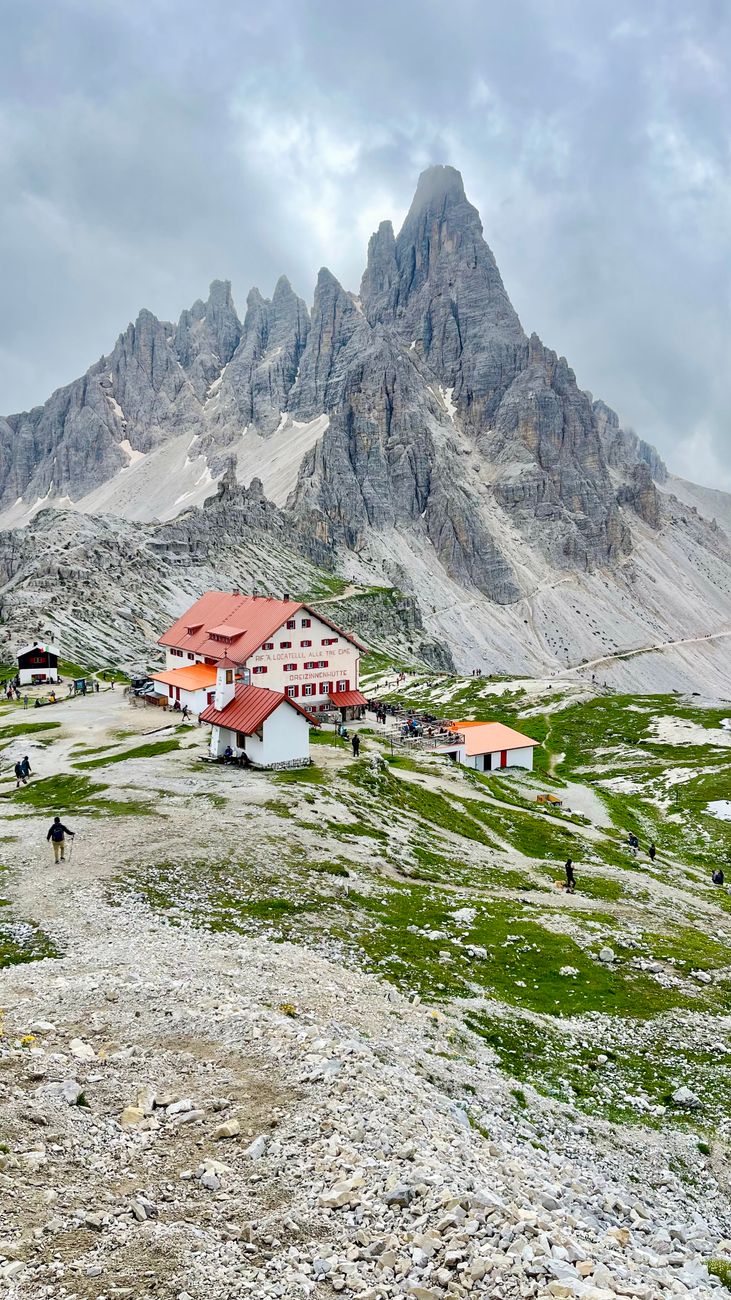
The morning mist in the Italian Dolomites doesn’t lift so much as dissolve. At 2,200 meters above sea level, when dawn hits the pale dolomite limestone—the phenomenon locals call enrosadira—the rock faces ignite in copper, rose, and amber hues. The world below remains immersed in cool slate shadow, but here, the light is immediate and absolute.
The Geometry of the High Passes
Walking the Alta Via trails requires a shift in sensory attention. Unlike popular trekking circuits where crowds cluster around road accessible lookout platforms, navigating the passes connecting Passo Gardena to Passo Sella demands slow persistence. The scent of stone pine (cirmolo) mingles with wild thyme crushed beneath Vibram soles.
"In high alpine passes, silence is not the absence of sound, but the presence of immense geological patience."
We stayed at small, multi-generational rifugi where the cuisine has evolved from rugged sustenance to quiet culinary mastery. Polenta prepared with coarse, stone-ground heirloom corn, served alongside chanterelles foraged that very afternoon, pairs naturally with crisp local Kerner wine.
Architectural Restraint in Stone and Larch
Modern alpine hospitality in South Tyrol is demonstrating how contemporary design can pay homage to ancient barn typologies. Sustainable larch facades, naturally greyed by high UV sunlight, frame floor-to-ceiling glass expanses that bring the monolithic cliffs into living quarters without decorative distraction.
- Best window for travel: Late June for wildflower blooms or late September for golden larches.
- Gear imperative: Unstructured merino layers, polar fleece, and sturdy mountain walking shoes.
- Ethical note: High mountain water is finite; respect water rationing at altitudinal refuges.

Eleanor Vance
Senior Travel Editor