Whispering Pines & Ceramic Masters: Along Uji's Riverbanks
Field dispatch from Kyoto Prefecture. Contemplation on slow time, green tea estates, and wood-fired ceramics.
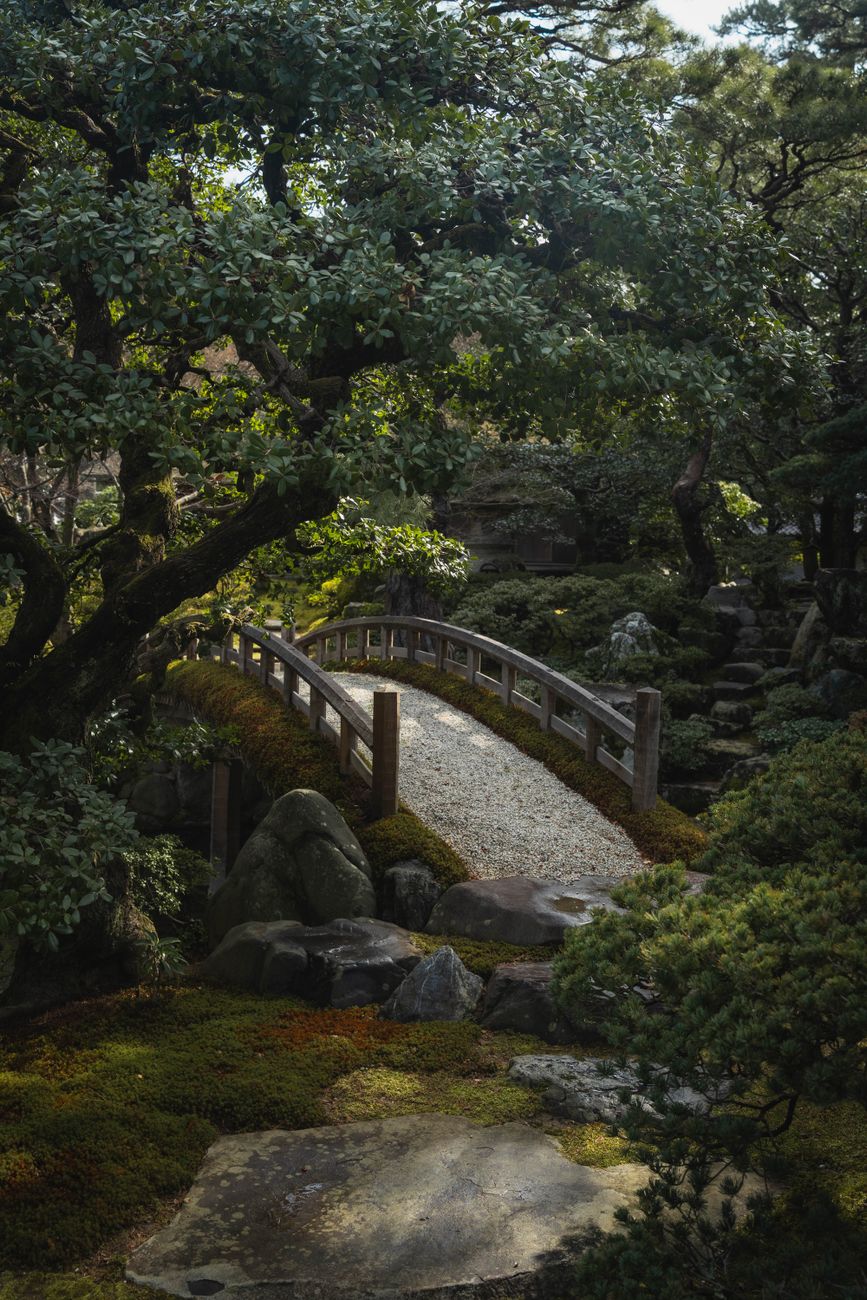
Just south of Kyoto, where the green hills narrow toward the Uji River, the rhythm of Japan slows into deep focus. Here, tea is not merely an infusion; it is an architectural and spiritual philosophy that has guided Japanese aesthetic thought for almost a millennium.
The Art of Shaded Leaves
In the weeks leading up to the spring harvest, the tea bushes of Uji are covered with black fabric or woven reed screens. By depriving the leaves of sunlight, farmers encourage high concentrations of theanine, imparting that distinctive, umami-rich character unique to ceremonial matcha.
"To hold an unglazed ceramic tea bowl is to feel the temperature of the kiln and the pulse of the artisan's fingers."
We spent several mornings with fifth-generation ceramic masters working with local clay along the mountain edges. The kilns, fired continuously with red pine over four days and nights, impart spontaneous ash glazes that no computer-controlled oven could replicate.
Living with the Seasons
Staying in an authentic Uji ryokan provides lessons in spatial economy. Cedar sliding doors (shoji), fragrant rush grass tatami mats, and single floral arrangements (chabana) teach the visitor that emptiness is not void, but room for contemplation.
- Recommended duration: Minimum four nights to sync with garden rhythms.
- Cultural etiquette: Always remove outdoor shoes at the genkan step; speak softly in open corridor galleries.
- Season of grace: Late spring during the first flush harvest (shincha).

Marcus Sterling
Cultural Geography Lead