Ochre Horizons: Architectural Solitude in the Utah Deserts
Field dispatch from the Colorado Plateau. Raw sandstone formations, silent canyons, and dark sky reserves.
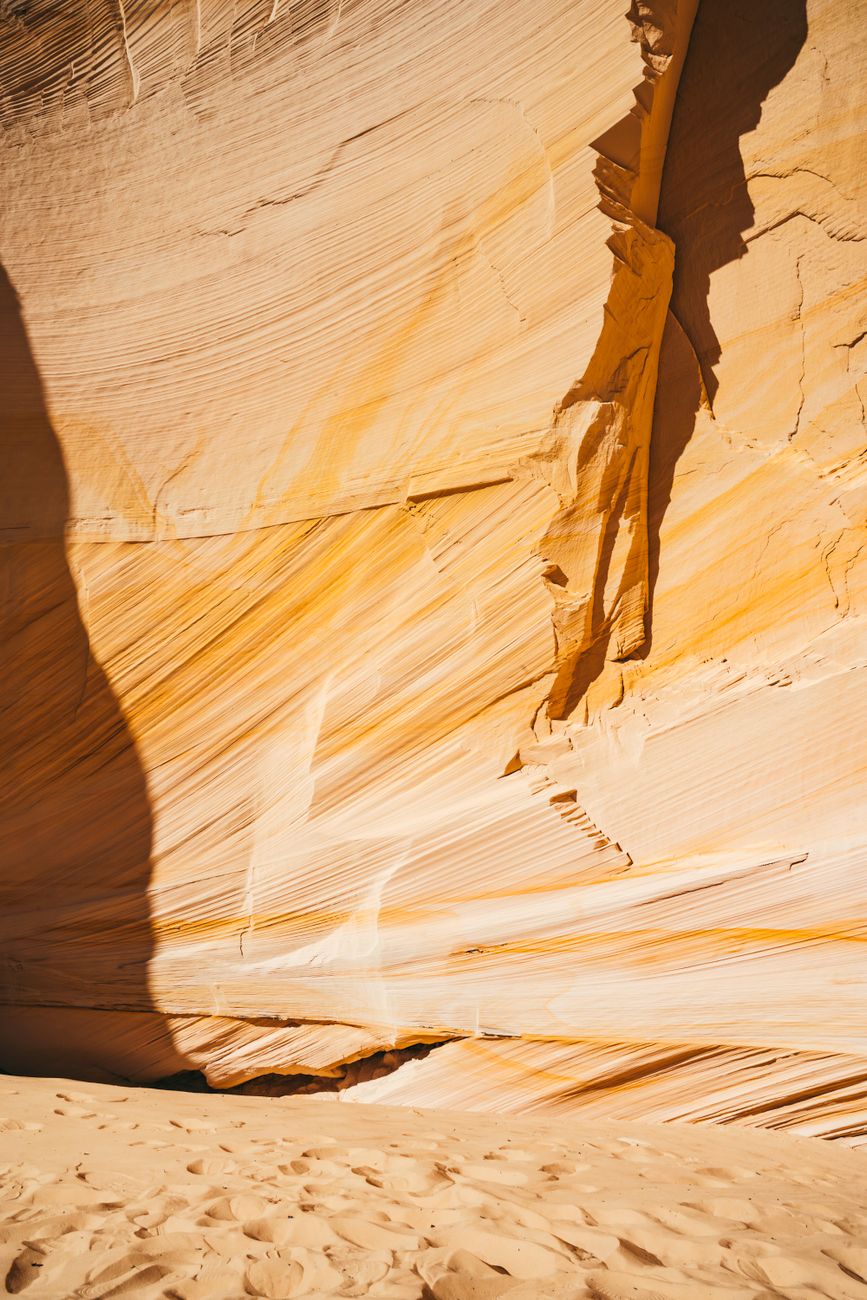
The silence of the high desert is immense and physical. When the engine shuts off along a remote track outside Moab or Capitol Reef, the auditory landscape drops to zero decibels. There is only the low whistle of air currents passing through thousand-foot red sandstone arches.
Structures That Yield to Geography
Rather than asserting dominance over this primordial expanse, visionary desert architects have constructed rammed-earth pavilions that blend seamlessly into the terrain. Incorporating local sand, clay, and gravel, the walls mirror the stratigraphy of the adjacent cliffs.
"The desert asks nothing of you, which is why it gives everything back."
By night, this region becomes one of the premier dark sky reserves on Earth. With no city glow for hundreds of miles, the Milky Way casts soft shadows across the slickrock mesas.
The Flow of Desert Solitude
Experiencing the canyonlands properly requires starting before sunrise when temperatures are cool and the sandstone is soaked in lavender light. After midday rest inside shaded courtyards, late afternoon returns with warm ochre and gold.
- Best months: April to mid-May or October to early November.
- Essential advice: Carry twice the water you anticipate needing; avoid stepping on fragile cryptobiotic crust.
- Contemplation point: Dead Horse Point overlook at dawn.
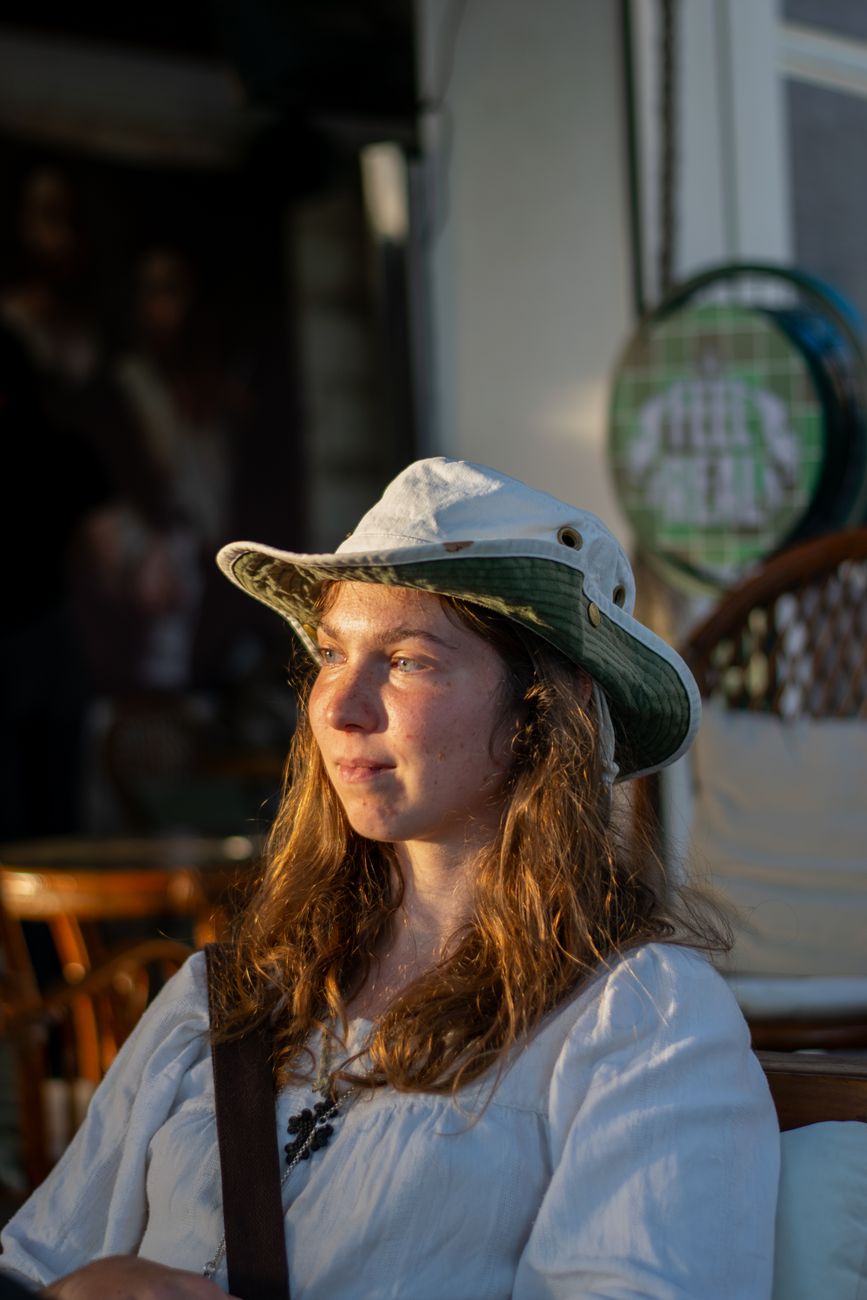
Siddharth Nair
Expedition Photographer